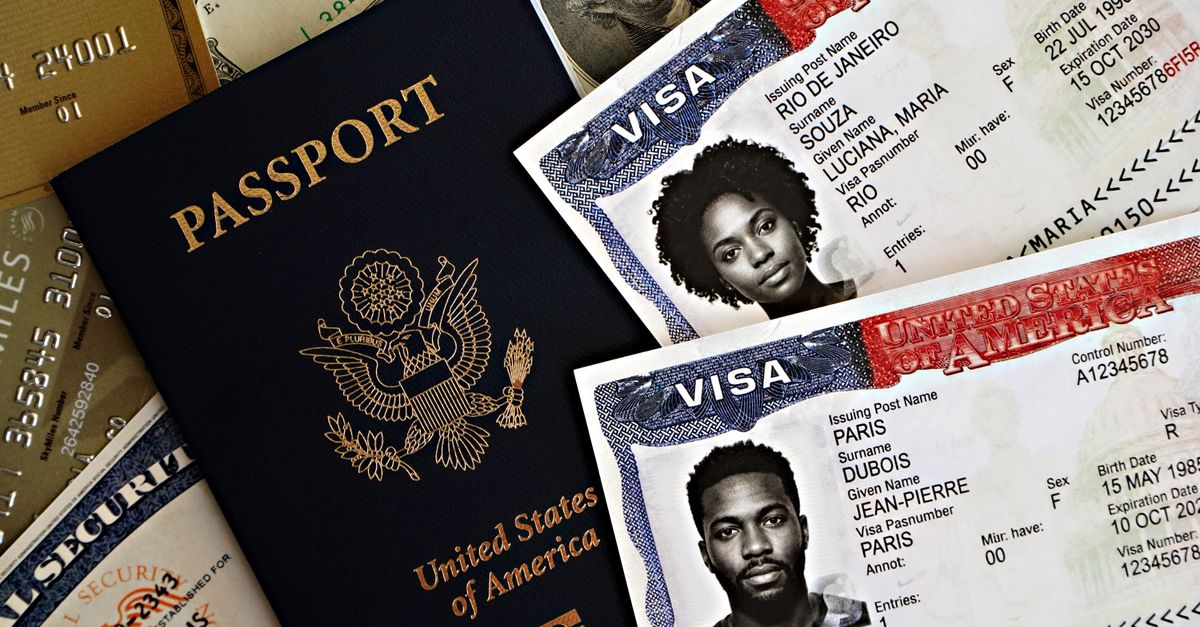
For many Black Americans considering relocation abroad, leaving the United States might seem like the simplest part of their journey. However, the movement known as “Blaxit” reveals that the real challenges come after departure. As more remote workers and digital nomads explore options beyond traditional borders, understanding the complexities of life abroad—especially for Black expatriates—becomes crucial for informed travel and lifestyle decisions.
Why this matters
The rise of remote work and flexible lifestyles has empowered people worldwide to rethink where and how they live. For some Black Americans, this freedom has sparked a deeper desire to explore life beyond the U.S., driven by factors like escaping systemic racism, seeking better community connections, or pursuing new career and personal opportunities. However, relocating internationally is not just about booking a one-way flight—it involves navigating cultural, legal, and social landscapes that can be particularly complicated for Black expats.
As digital nomads and remote workers aim to balance the promise of a fresh start with sustainable living abroad, stories like those highlighted in the Blaxit conversation emphasize that crossing borders is only the beginning. The ongoing challenges Black expats face—including social isolation, cultural adjustment, and legal hurdles—offer valuable lessons for anyone considering a long-term move or a nomadic lifestyle.
What is happening
The term “Blaxit” originated in 2016 as a tongue-in-cheek reference that combined “Black” and “Exit,” inspired by Brexit. Ulysses Burley III launched the hashtag after posting a humorous list on The Salt Collective, spotlighting Black Americans’ growing interest in leaving the U.S. permanently or for extended periods. While initially a lighthearted trend, Blaxit has since evolved into a meaningful discourse on the realities that follow the decision to leave.
The narrative is clear: leaving the U.S. may seem straightforward, especially for remote professionals who can work digitally from almost anywhere. Yet once abroad, Black expatriates often confront unexpected difficulties. These include challenges in securing visas that accommodate remote work, accessing quality healthcare, facing racial prejudices within new societies, and building supportive community networks. These obstacles show that the “easy part” of Blaxit is the physical move itself, not the adjustments required afterward.
Moreover, the conversation surrounding Blaxit intersects with broader themes of identity and belonging. Many Black expats describe a complex emotional journey as they reconcile their heritage with the realities of life abroad. This nuance is critical to understanding how relocation impacts not just professional and financial well-being, but also mental health and cultural connection.
What readers can take away
- Plan beyond logistics. Leaving a country is just the start; researching visa rules, healthcare systems, and local community dynamics is essential for long-term success.
- Prepare for cultural differences. Understanding the social landscape, including how race is perceived and experienced in your destination, can help manage expectations and foster deeper connections.
- Build networks early. Seek out Black expat groups, local organizations, or online communities before moving to create support systems.
- Consider legal and financial implications. Tax obligations, residency requirements, and remote work permissions vary widely—consult experts to avoid surprises.
- Reflect on personal identity. Relocation can prompt challenges and opportunities related to culture and self-understanding; be open to this evolving journey.
What to watch next
As interest in Blaxit grows, expect to see more conversations and resources tailored specifically for Black digital nomads and expats. Organizations and communities may increase support services addressing the particular hurdles they face, including visa advocacy and cultural integration programs.
Additionally, shifts in immigration laws or remote work visa policies in popular destinations could either ease or complicate the pathway for those considering Blaxit. Keeping an eye on legislative updates in well-known expat hubs will be important for anyone planning a move.
FAQ
What does “Blaxit” really mean?
Blaxit is a portmanteau of “Black” and “Exit,” referring to the movement of Black Americans choosing to leave the U.S. and settle abroad. While it started as a joke in 2016, it has since come to symbolize a serious reconsideration of where to live based on social, political, and personal factors.
Is Blaxit mainly about permanent relocation?
Not necessarily. For some, Blaxit involves permanent emigration, while for others it means extended stays, travel, or becoming digital nomads who split their time between countries. The common theme is seeking alternatives to life in the U.S.
What challenges do Black expats face that others might not?
Besides typical relocation issues, Black expats may encounter unique barriers such as racial profiling, underrepresentation in local communities, and limited access to culturally competent services. These factors can affect their integration and overall experience abroad.
This article is informational only and does not replace official travel, visa or tax advice. Original source: read more here.
Written and edited by Ciro Simone Irmici. More about who writes here: About the author.
- 𝕏 Twitter: @0_Simone_0
- 🎥 YouTube: Audiobook Free – Author Ciro Irmici
- 📸 Instagram: @spartaco_94_
- 💻 Tech Trends: techtrendspins.blogspot.com
- 💪 Fitness Home Journal: fitnesshomejournal.blogspot.com
- 🐾 Pet Care Inspo: petcareinspo.blogspot.com
- 🌍 Nomad Vibes Board: nomadvibesboard.blogspot.com
- 💰 Crypto Radar Board: cryptoradarboard.blogspot.com
- 🌱 Green Planet Pins: greenplanetpins.blogspot.com
- 🥗 Healthy Eats Board: healthyeatsboard.blogspot.com
Enjoyed this post? Share it or explore more across my blogs and channels.