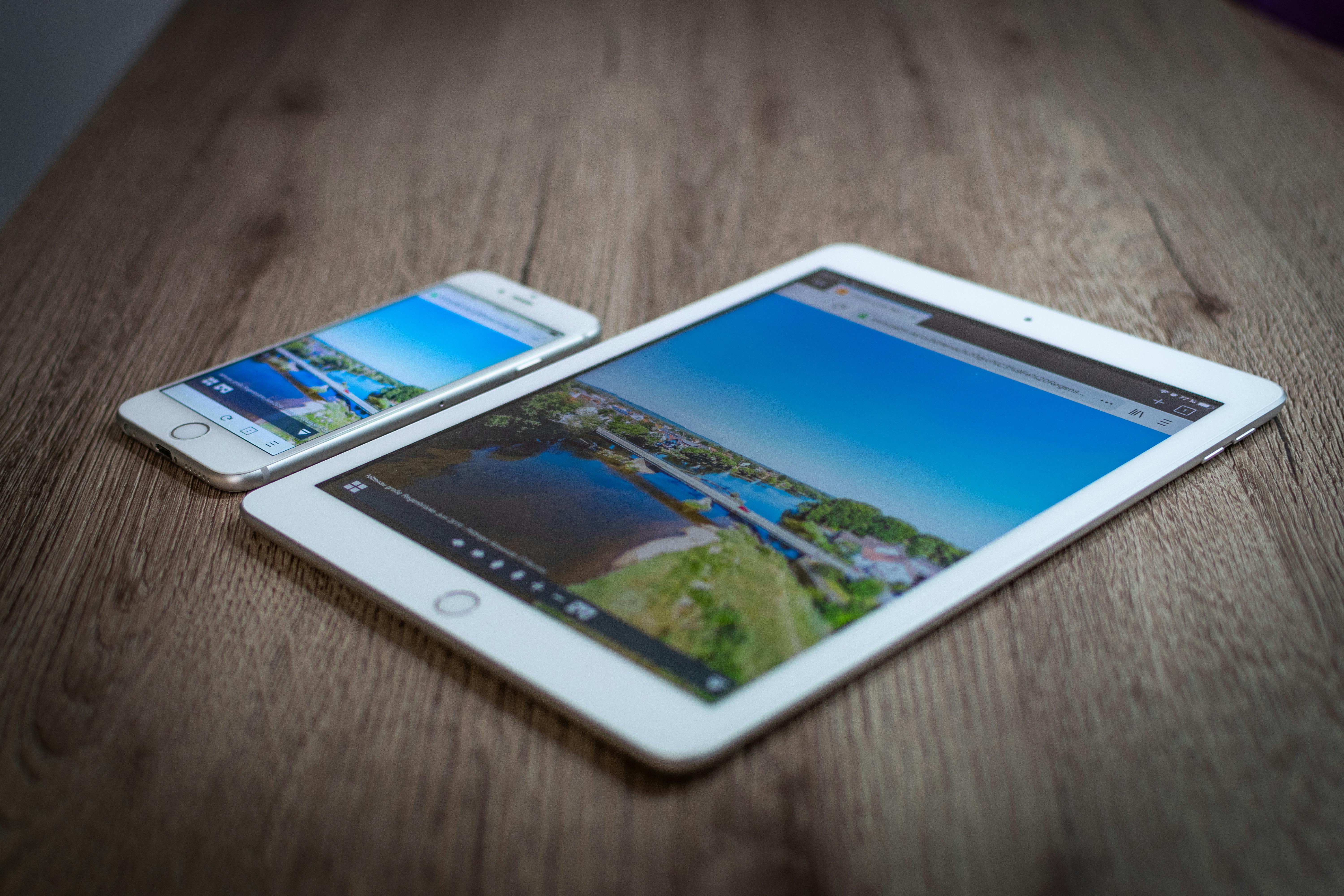
Linux Sidecar: Using an iPad as a Second Display for Ubuntu
Quick read below — save or share if useful.
The modern remote work lifestyle often demands flexibility, adaptability, and a seamless workflow, especially for digital nomads who are always on the go. One innovative solution that Linux users can leverage is the ability to turn an iPad into a second display for Ubuntu, akin to Apple’s Sidecar feature. This article explores how to achieve this setup, the equipment involved, and the potential benefits for remote workers who rely on multiple screens to enhance productivity.
Understanding the Setup
Using an iPad as a second display for Ubuntu can significantly improve your multitasking capabilities. This setup allows you to extend your desktop environment, providing an additional workspace that can be particularly beneficial for handling multiple applications simultaneously. While it may require some configuration, the end result is a powerful tool for any digital nomad.
The Benefits of an Extra Display
Having a second monitor can enhance your productivity in several ways:
- Increased Screen Real Estate: More space allows you to keep essential applications open, from communication tools to project management software.
- Improved Focus: Allocate specific tasks to each screen, which can minimize distractions and enable a more organized workflow.
- Enhanced Collaboration: For remote workers, sharing screens during virtual meetings can become easier with an Extra display setup.
Essential Tools and Software
To turn your iPad into a second display for Ubuntu, you'll need some specific tools. Here are the essentials:
- iPad: Your primary hardware for the second display.
- Ubuntu OS: Ensure it’s installed and updated on your primary device.
- Third-Party Apps: Applications like Duet Display or XDisplay are popular choices that facilitate the connection between your iPad and Ubuntu system.
Configuration Steps
Setting up your iPad as a second display involves a few straightforward steps:
- Download and install the chosen app on both your iPad and Ubuntu device.
- Connect your devices via USB or Wi-Fi, depending on the app’s capability.
- Follow the app’s instructions to finalize the connection and adjust your display settings within Ubuntu.
- Drag applications from your primary display to your iPad screen, effectively extending your desktop workspace.
Potential Challenges
While this setup offers numerous advantages, some challenges may arise. It’s not uncommon to experience connectivity issues or latency, especially if the connection is wireless. Therefore, opting for a USB connection can often result in a more stable performance. Additionally, some applications might not display perfectly on the iPad due to resolution differences, so testing and adjusting settings may be necessary to optimize your experience.
Conclusion
Utilizing an iPad as a second display for Ubuntu not only enhances productivity but also offers a convenient solution for digital nomads who frequently work from different locations. The flexibility of a second screen can facilitate a more organized workspace, improving focus and efficiency while managing multiple tasks. As remote work continues to evolve, finding innovative ways to optimize your digital setup becomes increasingly essential. This configuration allows you to create a portable yet powerful workspace tailored to your needs.
FAQ
How can I ensure a stable connection between my iPad and Ubuntu? Using a USB connection rather than relying on Wi-Fi typically provides a more stable and responsive setup.
What apps can I use to connect my iPad to Ubuntu? Popular applications include Duet Display and XDisplay, both of which allow you to extend your display easily.
Do I need any special hardware to set this up? No special hardware is required, just your iPad and a compatible Ubuntu device.
This article is part of the digital publishing network created by Ciro Irmici. Explore the creator portfolio here: Ciro Irmici Portfolio.
- 𝕏 Twitter: @0_Simone_0
- 🎥 YouTube: Audiobook Free – Author Ciro Irmici
- 📸 Instagram: @spartaco_94_
- 💻 Tech Trends: techtrendspins.blogspot.com
- 💪 Fitness Home Journal: fitnesshomejournal.blogspot.com
- 🐾 Pet Care Inspo: petcareinspo.blogspot.com
- 🌍 Nomad Vibes Board: nomadvibesboard.blogspot.com
- 💰 Crypto Radar Board: cryptoradarboard.blogspot.com
- 🌱 Green Planet Pins: greenplanetpins.blogspot.com
- 🥗 Healthy Eats Board: healthyeatsboard.blogspot.com
Enjoyed this post? Share it or explore more across my blogs and channels.