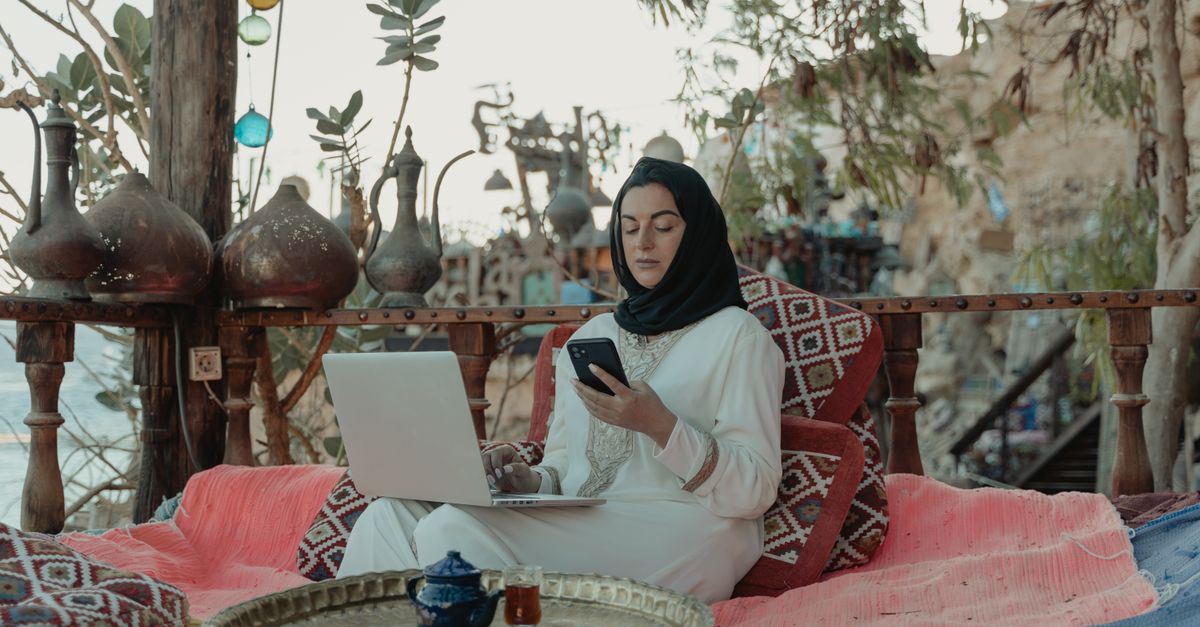
The rise of remote work and the creator economy is dissolving traditional corporate structures, paving the way for an economy that no longer requires a fixed head office. For digital nomads, remote workers, and travel enthusiasts, this shift means greater freedom to work and earn income from anywhere, transforming how we think about jobs, income streams, and location independence in practical ways.
Why this matters
Travelers who work remotely have long dreamed of a lifestyle unbound by geography, but the creator economy intensifies this possibility not as just a trend but a profound change in economic organization. Without the need for a centralized office, many professionals—from freelancers to entrepreneurs—can operate entirely online. This reduces the need for costly physical infrastructure and opens global opportunities for earning and collaboration.
For digital nomads planning where to live, work flexibility tied to no office allows location choices that prioritize culture, cost of living, community, or environment over job proximity. Meanwhile, countries and cities aiming to attract these new workers adapt with visa programs and infrastructure catering to long-term remote professionals. This has practical implications for travel planning, tax considerations, and social integration.
What is happening
The creator economy, often seen as a lifestyle fad, is better understood as a structural shift reshaping how income and work are organized. According to the source, this new economy operates independently of traditional organizational hierarchies and physical offices. It is driven by creators, freelancers, and small teams that utilize digital platforms and global networks to monetize skills, content, and services.
This transformation is underpinned by advances in technology and communication, enabling seamless collaboration and business operations without physical headquarters. It challenges the notion that companies must have stable, locatable offices to function efficiently. Instead, work can be distributed, asynchronous, and highly flexible.
For remote workers and nomads, this means the economy no longer restricts them to urban centers or specific nations. Income streams become diversified, often sourced from multiple clients or platforms worldwide. Physical location becomes a matter of personal preference or lifestyle rather than necessity.
What readers can take away
- The creator economy creates more opportunities for remote work that is not tied to any office location, offering flexibility for travel-minded professionals.
- Digital nomads can consider destinations based on quality of life, cost, and community rather than job proximity or commuting convenience.
- Income diversification and multiple revenue streams, supported by digital platforms, are key strategies enabling this new economic model.
- When planning travel or relocation, verify visa, taxation, and infrastructure conditions carefully since legal and financial frameworks often lag behind this economic shift.
- Building a career in this economy requires self-management skills, digital literacy, and proactive engagement with global clients and communities.
What to watch next
Policies around digital nomad visas and remote work regulations will continue to evolve globally, with some countries expanding programs specifically targeting remote professionals. Tracking these policy changes is essential for anyone considering long-term travel or relocation without a fixed office.
Technological innovations in collaboration tools and payment platforms will also shape how headless economies function, potentially lowering barriers for individual creators and small teams to participate worldwide.
FAQ
How does the absence of a head office affect work-life balance for digital nomads?
Without a centralized office, workers can better design their schedules and environments, which may improve work-life balance. However, it also requires discipline to avoid blurred lines between work and personal time.
Are all types of jobs suited to this new economy?
No, the economy that doesn’t need a head office mostly favors knowledge-based, creative, and digital jobs. Roles requiring physical presence or direct oversight may still need traditional workplaces.
What should remote workers verify before choosing a travel or relocation destination?
It’s important to check current visa requirements, tax obligations, internet connectivity, cost of living, and local community support for remote workers, as these can vary widely and change frequently.
This article is informational only and does not replace official travel, visa or tax advice. Original source: read more here.
Written and edited by Ciro Simone Irmici. More about who writes here: About the author.
- 𝕏 Twitter: @0_Simone_0
- 🎥 YouTube: Audiobook Free – Author Ciro Irmici
- 📸 Instagram: @spartaco_94_
- 💻 Tech Trends: techtrendspins.blogspot.com
- 💪 Fitness Home Journal: fitnesshomejournal.blogspot.com
- 🐾 Pet Care Inspo: petcareinspo.blogspot.com
- 🌍 Nomad Vibes Board: nomadvibesboard.blogspot.com
- 💰 Crypto Radar Board: cryptoradarboard.blogspot.com
- 🌱 Green Planet Pins: greenplanetpins.blogspot.com
- 🥗 Healthy Eats Board: healthyeatsboard.blogspot.com
Enjoyed this post? Share it or explore more across my blogs and channels.