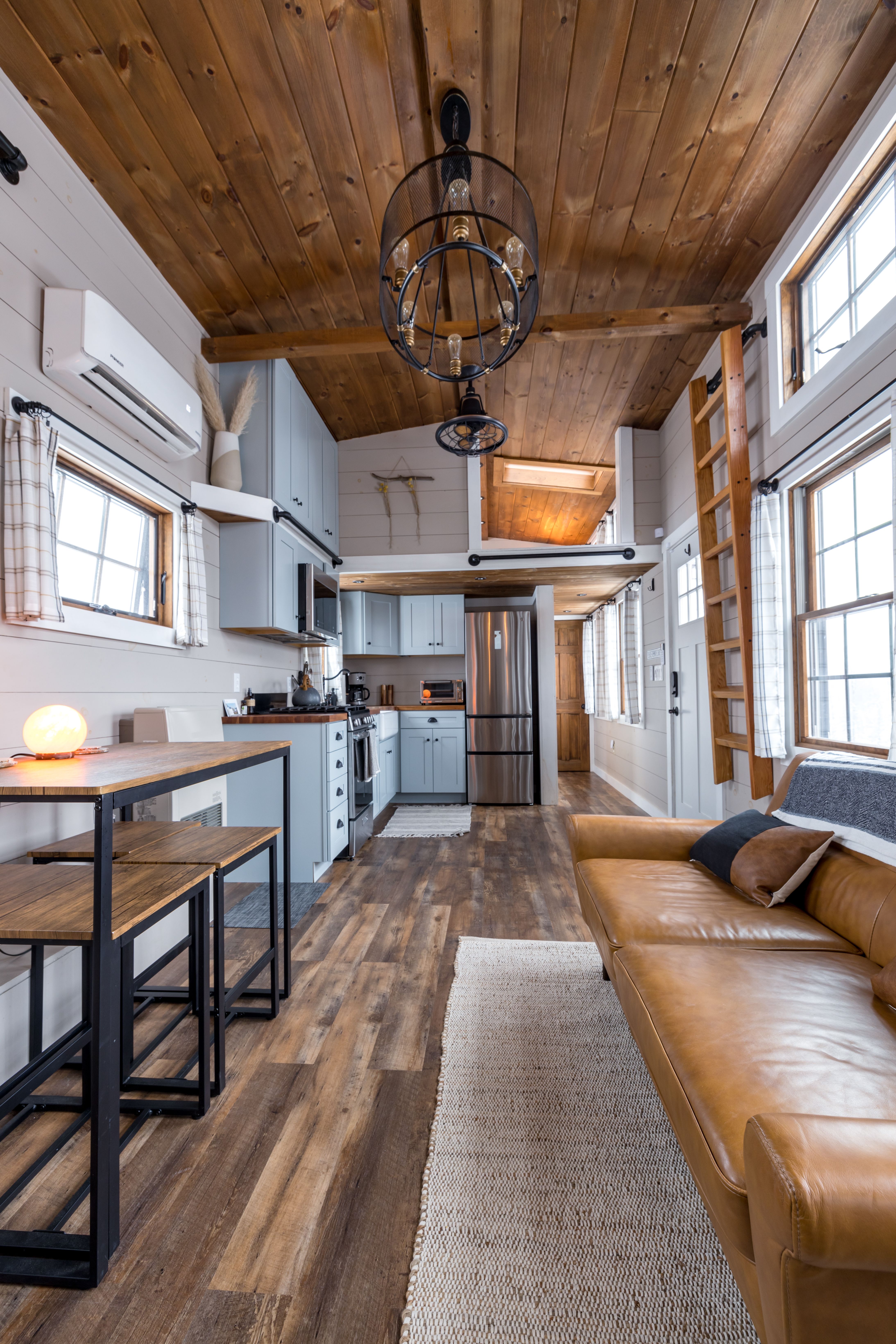
Maximizing Space: What Fits in Eighty Square Feet of Living Area
Quick read below — save or share if useful.
As the world becomes increasingly interconnected, the allure of minimalistic living has captured the attention of many digital nomads. The concept of living in a compact space—specifically, within eighty square feet—raises crucial considerations for those working remotely and seeking flexible lifestyles. Navigating the essentials of living small, particularly in a world where mobility and practicality are prized, can lead to a profound transformation in how we view our day-to-day lives.
The Appeal of Minimalism in a Nomadic Lifestyle
For remote workers and wanderers, the ability to pack up and move at a moment’s notice is a significant advantage. Maximizing space becomes a necessary skill for those seeking a minimalist approach. Embracing smaller living areas, like an eighty-square-foot space, allows individuals to focus on experiences rather than possessions, thereby enhancing their quality of life while on the road. Living minimally means prioritizing what is genuinely needed, thus opening up options for affordable travel and sustainable living.
Understanding What Fits in Eighty Square Feet
Making the most out of limited space requires creativity and resourcefulness. In an eighty-square-foot area, every item and piece of furniture must serve a purpose. Here are key elements to consider when thinking about how to fit comfortably into such a compact living space:
- Multi-functional Furniture: Invest in pieces that can serve multiple purposes, like a bed that converts to a sofa or a table that folds out of the way.
- Vertical Space: Use shelving and hooks to take advantage of vertical space for storage and organization.
- Clutter-Free Living: Embrace a lifestyle that avoids unnecessary items and promotes a clean, open environment.
- Emphasizing Natural Light: Position your living area to maximize natural light, making the space feel larger and more inviting.
- Smart Storage Solutions: Optimize storage through clever design, such as under-bed storage and built-in cabinets.
Navigating Daily Life in a Small Space
Life in such a compact environment poses unique challenges, particularly for those accustomed to larger homes. Thorough planning and organization become paramount. Here are several considerations that can help maintain ease of living:
- Daily Routines: Establish routines that minimize time spent searching for items or cleaning.
- Meal Preparation: Configure a compact kitchen space that allows for efficient meal prep while saving counter space.
- Workspace Design: Create a designated area for work that can be easily transitioned into living space when not in use.
Implications for Travel Planning
Adapting to a minimalist lifestyle also influences travel planning. Having fewer possessions allows for greater flexibility in accommodations and reduces travel costs. When visiting different destinations, it’s possible to choose from a wider variety of living options—from tiny houses to RVs—leading to unique experiences that might not be accessible to those with more traditional housing situations. Understanding how to fit into limited spaces is essential for digital nomads who wish to explore various locales without being limited by their belongings.
Benefits of Compact Living
There are numerous benefits to reducing living space, which is particularly appealing for remote workers. Some of the advantages include:
- Financial Savings: Lower rent and utility costs can help free up more resources for travel and leisure activities.
- Enhanced Mobility: Fewer possessions mean easier packing and moving, resulting in spontaneous travel opportunities.
- Improved Clarity: Living with less fosters clarity, helping individuals focus on what is truly important in their lives.
FAQ
Why choose a small living space while traveling? A small living area fosters a minimalist lifestyle, allowing you to prioritize experiences over possessions, making it easier to adapt to various travel accommodations.
How can I manage work and personal life in a compact space? By establishing clear zones for work and relaxation, utilizing multi-functional furniture, and maintaining organization, it’s possible to harmonize work and personal enjoyment seamlessly.
In conclusion, understanding what fits in eighty square feet highlights the adaptability required for a successful digital nomad lifestyle. As more people embrace the freedom of remote work and minimalism, the ability to maximize small living spaces will continue to grow in importance. Consequently, not only does this minimalist approach allow for greater mobility and financial savings, but it also encourages a deeper appreciation for the experiences that truly enrich our lives.
This article is part of the digital publishing network created by Ciro Irmici. Explore the creator portfolio here: Ciro Irmici Portfolio.
- 𝕏 Twitter: @0_Simone_0
- 🎥 YouTube: Audiobook Free – Author Ciro Irmici
- 📸 Instagram: @spartaco_94_
- 💻 Tech Trends: techtrendspins.blogspot.com
- 💪 Fitness Home Journal: fitnesshomejournal.blogspot.com
- 🐾 Pet Care Inspo: petcareinspo.blogspot.com
- 🌍 Nomad Vibes Board: nomadvibesboard.blogspot.com
- 💰 Crypto Radar Board: cryptoradarboard.blogspot.com
- 🌱 Green Planet Pins: greenplanetpins.blogspot.com
- 🥗 Healthy Eats Board: healthyeatsboard.blogspot.com
Enjoyed this post? Share it or explore more across my blogs and channels.