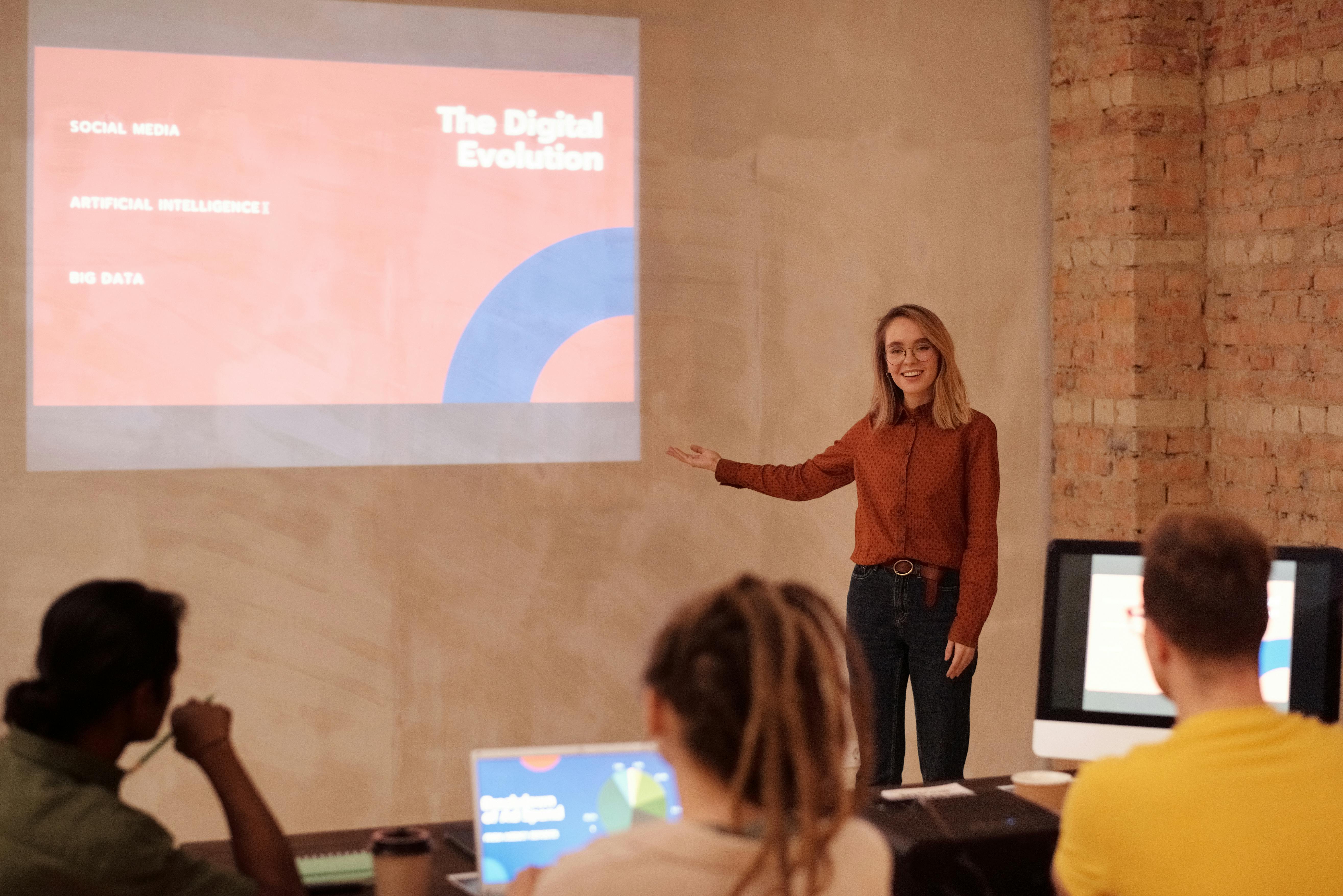
Quick context: "AI vs. Human Intelligence: Are We Falling Behind?" In a world where AI is constantly evolving and making breakthroughs in various industries, have you ever stopped to think: What if AI isn’t actually getting smarter, but we humans are actually getting.
AI vs. Human Intelligence: Remote Work Context is best read as a practical travel and nomad-lifestyle brief: useful for inspiration, but strongest when it stays grounded in the information available from the source.
Key takeaways
- Separate the confirmed source idea from broader travel assumptions.
- Think about cost, timing, safety, comfort and local rules before acting.
- Use travel inspiration as a starting point, not a guarantee of results.
- Verify visas, transport, health requirements and bookings with official or primary sources.
Remote work context
The useful question is what this means for a real traveler: where it helps, where it might be incomplete and what someone should check before relying on it.
For nomads, the details often matter more than the headline. Internet quality, paperwork, transport, safety, local expectations and daily routines can shape the experience as much as the destination itself.
Why it matters
Remote work stories matter because a flexible lifestyle only works when work habits, connectivity, time zones and boundaries are realistic.
Good travel content should make the next decision clearer without pretending that one short update can cover every destination, budget or personal situation.
Related Nomad Vibes reads
- Remote work habits for life on the road
- Digital nomad ideas and lifestyle notes
- Travel tips for smoother planning
- Useful apps and digital tools from Tech Trends Daily
Practical checklist
- Confirm current rules, prices, opening times or visa details before booking.
- Compare the idea with your budget, work schedule and comfort level.
- Check local transport, weather, connectivity and neighborhood context.
- Keep backup plans for documents, payments, health needs and accommodation.
FAQ
Is this a complete travel guide? No. It is a reader-friendly brief built from the available source context.
Should readers book based only on this post? No. Important travel choices should be checked against current official or primary sources.
Why keep the tone cautious? Travel conditions, costs and rules change, so practical context is more useful than overconfident promises.
Bottom line: AI vs. Human Intelligence: Remote Work Context matters because travel and nomad choices get better when inspiration is paired with realistic planning.
Travel note: This article is general travel and lifestyle information. Rules, prices, safety conditions, visas, transport and accommodation details can change, so readers should verify important decisions with official sources.