 NomadVibes

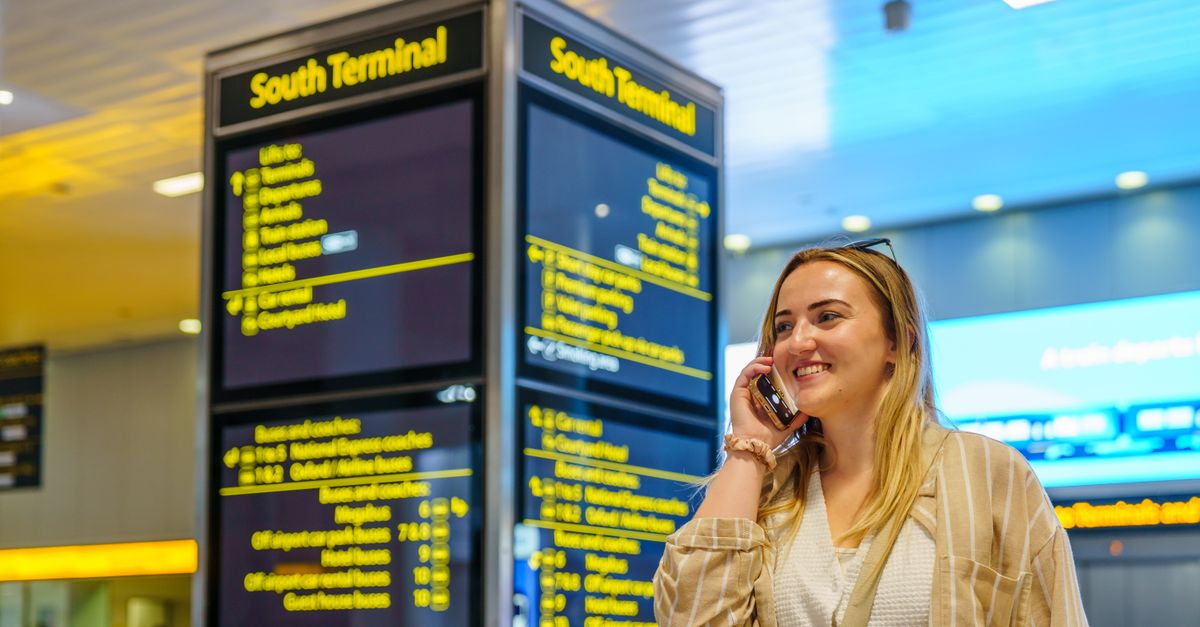
When a flight is cancelled or a card stops working abroad, most of us type the company name plus "phone number" into Google and call the first result. According to The Points Guy, that habit is now risky: scammers are getting fake customer service numbers into search results, and some travellers have lost thousands of dollars before realising they never spoke to the real company. For anyone who lives on the road and rebooks, disputes charges and fixes problems from a phone, the safest habit is to contact airlines, banks and booking platforms only through numbers and apps you have checked on their official channels.
What is happening in search results
The Points Guy reports that the scam works by placing fraudulent customer service numbers where travellers will find them in Google. Often the numbers appear on hacked university, government or charity websites, so the page looks legitimate. The same report says Google's AI features have been promoting these numbers, which makes real and fake contact details harder to tell apart.
The Points Guy also explains why these listings can rank so high. Compromised .edu and .gov domains carry a lot of authority in search, so a fake number on one of them can appear as a top result. You are not looking at an obvious ad with spelling mistakes. You may be looking at a number that sits on a respectable-looking site and is repeated back to you by an AI summary.
How the scam hurts travellers
According to The Points Guy, victims are tricked into handing over sensitive information or authorising charges. Some lose thousands of dollars before they notice anything is wrong. The call itself can feel normal, because the person on the line is there to "help" with exactly the problem you have.
Long-stay travellers are an easy target for a few reasons, which are my own reading of the situation rather than findings from the report:
- Time pressure. A missed connection or a locked card makes you want an answer immediately, and a quick search feels like the fastest route.
- Unfamiliar systems. If you are in a country where you do not know the airline's local office or the bank's usual process, you are less likely to spot something odd.
- Many providers. A nomad might use several airlines, a few booking platforms, two or three banks or cards and a travel insurer in one year. Remembering each official contact route is hard, so people search each time.
- Money on the line. Rebooking fees, refunds and disputed charges all involve payment details, which is exactly what a scammer wants.
What this means for you
The rule is simple: never let a search result be your first source for a contact number. Start from the company's own app or its official website, reached by typing the address yourself or using a bookmark you saved earlier. The Points Guy gives the same advice: use official provider apps or websites to find contact information, and be cautious about any number you find through a search engine.
The best time to do this is before you need help. When you book a flight, a stay or a card, spend two minutes saving the verified contact route. When something goes wrong at midnight in a departure hall, you will not have to search at all.
A verification checklist you can keep on your phone
The table below turns the advice into steps you can follow in different situations. The first column tells you what is going on, the second where to find a trustworthy contact, and the third what to avoid.
| Situation | Where to get the contact | What to avoid |
|---|---|---|
| Flight cancelled or changed | The airline's official app, or its website opened from your own bookmark or typed address | Calling a number from a search result or an AI summary |
| Card blocked or suspicious charge | The bank's official app, or the website you normally use to log in | Giving card details to someone who answered a number you found by searching |
| Problem with an accommodation or tour booking | The booking platform's app or the help section of its official site | Following a "customer service" number on an unrelated page, even one on a .edu or .gov site |
| You see a number that looks wrong | Report the search result to Google | Assuming it will vanish quickly: listings may persist for days or weeks, according to The Points Guy |
| You think you called a scam centre | Your payment provider and the travel company, straight away, through their verified channels | Waiting to see whether charges appear |
Build a contact file before you travel
A practical habit for remote workers is to keep a small, private contact file. It does not need numbers copied from anywhere you are unsure of. It can simply record where to find each official route. For each airline, bank, card issuer, booking platform and insurer, note the following:
- The official app is installed and you are logged in.
- The official website is bookmarked.
- Any support number you have taken from that official app or site is saved in your phone under the company's name.
Check that saved entries are still right now and then, especially before a long trip. Keep it somewhere you can reach offline as well, since airport Wi-Fi and roaming data are not always dependable.
Also treat a company's app as the first stop. Many problems can be handled there, and when you do need a person, you reach them through a channel you already trust.
If you may already have called a fake number
Speed matters. The Points Guy advises that if you suspect you contacted a scam call centre, you should immediately notify your payment provider and the travel company involved. It also suggests considering identity monitoring services.
In practice, reach your card issuer or bank through its official app or the website you normally log in to, not by searching again. Explain what you shared and ask what protections they can put in place. Then contact the airline or booking platform the same way, so the real company knows about the situation. Write down what you remember: roughly when you called, what number you used, what you were asked and what you agreed to. That record will help when you speak to the real providers.
Reporting scam listings
If you notice a fake number in search results, The Points Guy says reporting it to Google can help get it removed. The same report warns that these listings may stay up for days or weeks before being dealt with. Reporting helps other travellers, but it is not a reason to relax your own checks, because the number you saw today may still be live tomorrow.
FAQ
Is it safe to call the first phone number Google shows for an airline?
Not without checking it. The Points Guy reports that fake customer service numbers have been appearing in Google results, including through AI features, and that they can sit on hacked university, government or charity sites. Get the number from the airline's official app or website instead.
Why would a fake number appear on a .gov or .edu website?
According to The Points Guy, scammers use compromised sites of this kind. These domains have high authority in search, so a fake number placed on them can rank prominently and look credible. A respectable web address does not prove the phone number on the page belongs to the company.
What should I do if I gave my card details to a fake call centre?
Contact your payment provider and the travel company straight away, using official channels. The Points Guy also suggests considering identity monitoring services. Keep notes on what happened so you can describe it clearly to both.
Sources
Photo: Holiday Extras / Pexels

I'm an Italian creator who builds apps, games and websites. I run NomadVibes with the help of AI tools: every article starts from the sources linked above, and I check what goes out. I'm not a doctor, a lawyer or a financial adviser. Spotted a mistake or have an idea? Write to me.
Instagram @spartaco_94_My websiteWrite to meAbout this blog









 Pronunciation Perfection: How to Sound Like a Native Speaker
 Reinventing Yourself After 40: A Guide to Embracing Change and New Beginnings
 Personal Branding for Introverts: How to Shine Without Shouting





