 NomadVibes

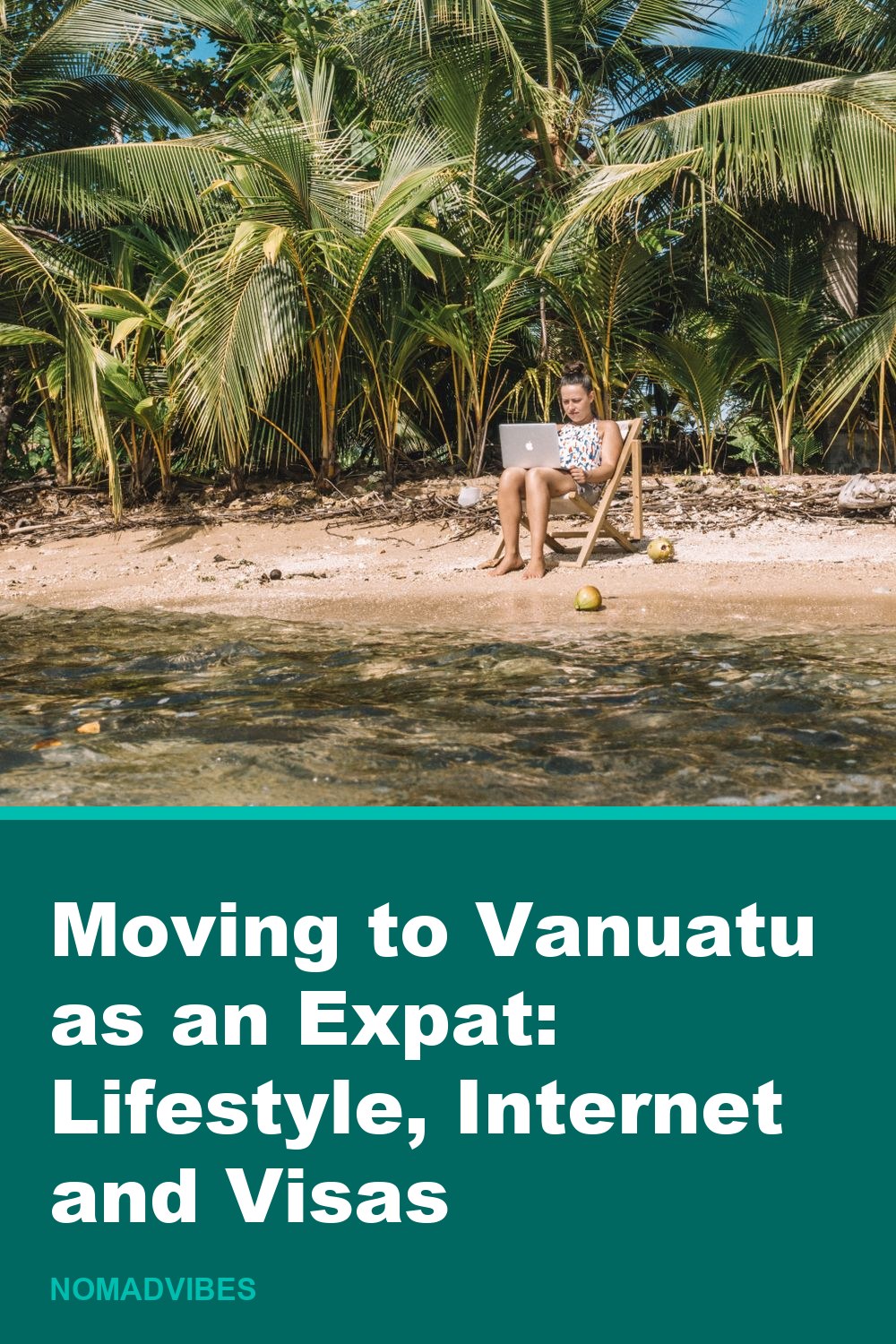

- Vanuatu has around 83 islands over more than 800 miles, so your choice of island shapes daily life more than the country does.
- Reliable internet and coworking spaces are mainly an urban story, centred on the capital, Port Vila.
- Cost is manageable rather than cheap, healthcare varies by island, and visa categories differ by nationality and purpose.
Moving to Vanuatu as an expat works best if you want a slower, friendly South Pacific base and can accept a few trade-offs. Port Vila, the capital, is where reliable internet and coworking spaces are found. The quieter islands trade convenience for calm, and the country is not the cheapest place to live. Remote work has pushed more people to look beyond the usual choices of Canada, Australia, Portugal or New Zealand, and Vanuatu is drawing attention as an alternative. Below you will find who it suits, how to choose a base, what to confirm on visas and healthcare, and a short plan for the months before you go.
Who Vanuatu suits, and who may struggle
Vanuatu is an archipelago of around 83 islands stretching more than 800 miles across the South Pacific. Landscapes run from lush rainforest to volcanic terrain, and each island has its own character. The culture is heavily shaped by Melanesian traditions, and locals are described as friendly and welcoming, which helps when you are settling in.
It tends to suit you if:
- you want a slower pace and a better balance between work and free time;
- you like nature and exploring on days off;
- you are comfortable choosing local markets and local accommodation over imported convenience;
- you want a community-based life, local and expatriate, rather than a big-city scene.
It may be a poor fit if you need guaranteed fast connections everywhere, expect the lowest costs in the region, or want healthcare close at hand on every island. Those points are covered below.
Choosing where to live: Port Vila or a quieter island
The country is not one single experience, so decide on an island before anything else. Port Vila offers restaurants, bars, shops and the main concentration of coworking spaces. Espiritu Santo and Tanna are quieter and more remote, and they suit people who want to connect with nature, culture and a slower rhythm.
| Factor | Port Vila | Espiritu Santo or Tanna |
|---|---|---|
| Pace | Livelier, with more going on | Quieter and more remote |
| Work setup | Reliable internet, coworking spaces | Check connection before committing |
| Daily life | Restaurants, bars, shops | Nature and local culture |
| Healthcare | Access varies by island, so confirm before choosing | Access varies by island, so confirm before choosing |
If this is your first stay, a sensible approach is to begin in Port Vila and visit the quieter islands from there, rather than committing to a remote island sight unseen.
Internet and work setup
Reliable internet is available, particularly in Port Vila, where several coworking spaces have appeared. That makes a simple routine possible: work during the day, explore the islands in your free time.
The word "particularly" matters. Connectivity is best in the urban area, so test it before you sign a long rental on any other island. Ask a landlord or host to run a speed test on a video call, and carry a backup connection. Our comparison of pocket WiFi, eSIM, roaming and local SIM options helps you decide how to build that backup.
Visa route: what to confirm before you book
Vanuatu has several visa categories for different nationalities and purposes, and understanding which one fits a long stay is essential. Fees, permitted days and conditions depend on your category and passport, so confirm them with the official immigration authority and get the answer in writing before you buy flights. No fee or day count is quoted here because none should be taken from a blog post.
Also decide early where you are tax resident while you live abroad. Our post on tax residency mistakes digital nomads make lists the errors to avoid.
Cost of living: manageable, not cheap
Vanuatu is not the cheapest destination. Costs can stay manageable if you buy at local markets and choose local accommodation instead of imported goods and tourist-oriented places. No reliable monthly figure is available here, so build your own budget from real quotes: rent, food from markets, connectivity, insurance, and flights home. A cushion for the unexpected matters on an island where help may be further away, and the Honest Toolkit emergency fund calculator can help you size one.
Healthcare and insurance
Access to healthcare facilities varies by island. Factor in health insurance, and look at how close you would be to medical services before you choose where to live. If you pick a remote island, ask exactly where you would be treated for a routine problem and for a serious one. Our comparison of SafetyWing and World Nomads is a useful starting point for your own insurance research.
Language and community
The official language is Bislama, and English and French are also widely spoken, so you can manage day to day with English. Learning some local phrases will deepen your connection with people. Engage with both local and expatriate communities early, because they give practical support and a sense of belonging, which matters when you are far from home.
Season and timing
The islands are described as a year-round destination for adventurers and nature lovers. Seasonal conditions are not covered here, so check typical weather for your chosen island and dates with local hosts before committing to a long rental.
Your move-planning checklist
- Pick a base. Decide between Port Vila and a quieter island, with a first stay in the capital if you are unsure.
- Confirm your visa category. Get fees, length of stay and conditions from the immigration authority for your nationality and purpose.
- Test the internet. Ask for a speed test where you plan to live, and arrange a backup connection.
- Price your own budget. Use local market and accommodation quotes, not guesses.
- Arrange health insurance. Check how far medical services are from your island.
- Prepare your documents. Keep passport, visa paperwork and insurance in one organised folder.
- Start the language. Learn a few Bislama phrases and connect with local and expat communities.
FAQ
Is Vanuatu a good place for remote work?
Yes, with a condition: infrastructure for remote workers is growing, especially in urban areas where coworking spaces and reliable internet are available. Outside them, verify the connection first.
Do I need to speak Bislama to live in Vanuatu?
No. Bislama is the official language, but English and French are also widely spoken. A few local phrases still help.
As an Amazon Associate I earn from qualifying purchases: if you buy through these links I may earn a small commission, at no extra cost to you. Each link opens a search on the Amazon store for your country.
Photo: Christine Johnson / Pexels

I'm an Italian creator who builds apps, games and websites. I run NomadVibes with the help of AI tools: every article starts from the sources linked above, and I check what goes out. I'm not a doctor, a lawyer or a financial adviser. Spotted a mistake or have an idea? Write to me.
Instagram @spartaco_94_My websiteWrite to meAbout this blog









 Pronunciation Perfection: How to Sound Like a Native Speaker
 Reinventing Yourself After 40: A Guide to Embracing Change and New Beginnings
 Personal Branding for Introverts: How to Shine Without Shouting





